If you have looked online for retaining wall pricing in Auckland, you have probably found a wide range of numbers that do not tell you much about your actual site. That is because retaining wall costs are driven by site conditions, not just wall dimensions.
Height and length matter, but so do access for machinery, drainage requirements, soil type, engineering, council consent, and what is sitting behind the wall. Two walls of the same size on different Auckland sections can cost very different amounts once those factors are accounted for.
This article explains what actually affects retaining wall pricing so you know the right questions to ask before getting quotes.
Why Retaining Wall Costs Vary So Much
The short answer: every Auckland site is different.
A 1.2 metre timber wall on a flat section with good truck access is a straightforward job. A 1.2 metre wall on a steep clay section with a driveway above it and no room for a digger is a completely different scope, even though the wall dimensions look similar on paper.
Contractors who quote without seeing the site are guessing. That guess might be low (and missing critical scope), or high (pricing for worst-case conditions that do not apply). Either way, you are making decisions based on incomplete information.
The factors below are the ones that actually move the price.
The Main Factors That Affect Retaining Wall Cost
Wall height and length
The most obvious cost driver. Taller walls need deeper foundations, heavier posts or blocks, more reinforcing, and more retained material behind them. Longer walls simply take more labour and materials.
But height matters disproportionately. A wall that goes from 1 metre to 1.5 metres does not just cost 50% more. The engineering loads increase, the footing depth increases, and you may cross the threshold where building consent becomes a requirement.
Material choice
The three main options for Auckland residential walls are timber, Keystone block systems, and engineered concrete or steel systems.
Each has different material costs, installation methods, and lifespan characteristics. The right choice depends on the site, the load behind the wall, how long you need it to last, and what you are prepared to spend.
Excavation and earthworks
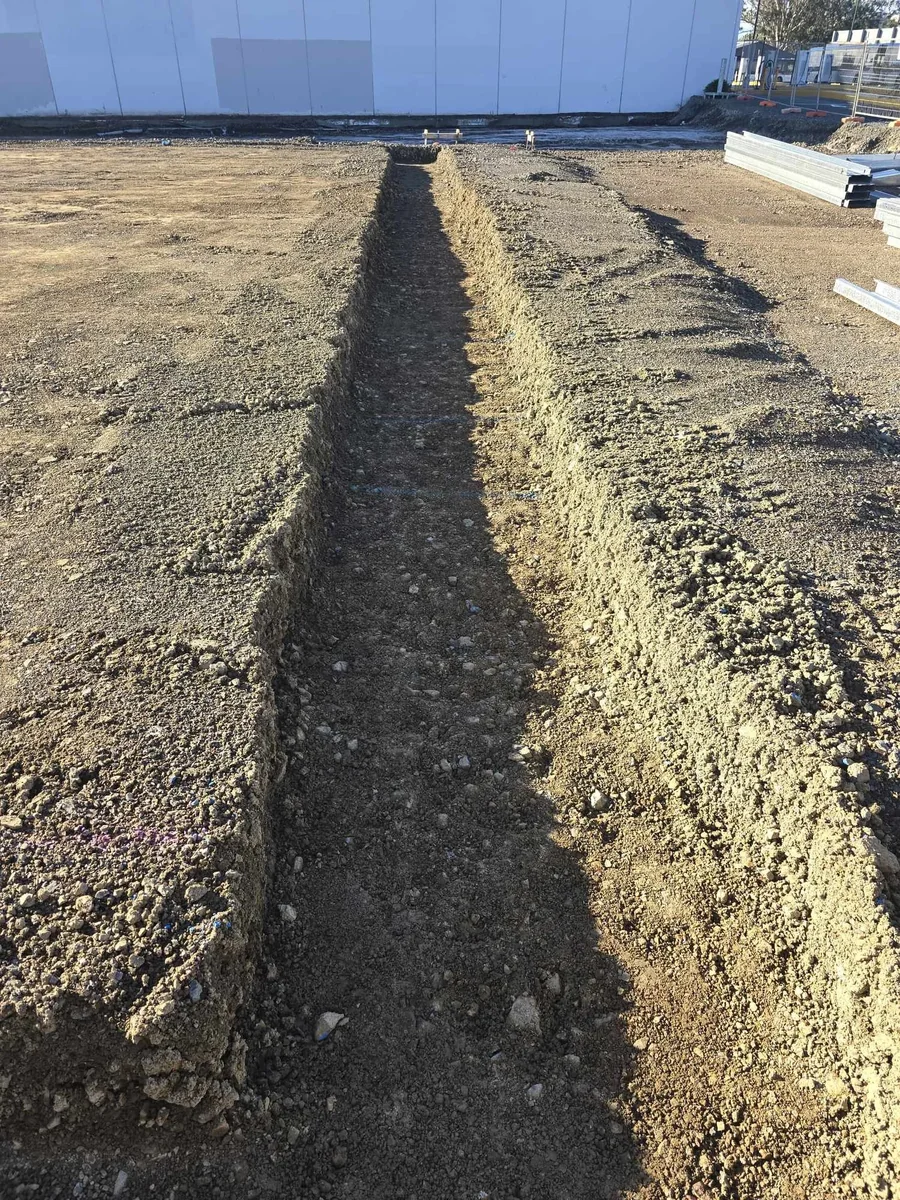
Most retaining walls need some degree of excavation before construction starts. On sloped Auckland sections, this can involve cutting into a bank, benching a site, or removing existing fill material.
The volume of material to be moved, where it needs to go, and whether it can stay on site or needs to be trucked off all affect the earthworks cost.
Access for machinery and materials
This is one of the biggest cost variables on Auckland residential sites and the one most people underestimate.
If a digger and truck can get to the wall location, work moves quickly. If the wall is behind a house, down a steep bank, through a narrow side access, or on a site with no vehicle entry at all, everything takes longer. Materials go in by wheelbarrow. Spoil comes out by hand or by smaller machines that are slower.
Tight access does not make a wall impossible. It makes it more expensive. Older Auckland suburbs like the North Shore hillside streets, parts of West Auckland, and the narrow cross-lease sections across the isthmus are where access costs show up most often.
Soil type and slope
Auckland sits on a mix of Waitemata Group clay, volcanic soils, and alluvial material depending on the suburb. Clay is the most common and the most relevant to retaining wall costs.
Clay holds water. When it gets wet, it swells and pushes against the back of the wall. When it dries, it shrinks and cracks. This cycle puts significant pressure on the wall structure over time, which is why drainage and engineering matter more on clay sites than on free-draining sandy or volcanic soils.
Steep slopes add load. The steeper the ground behind and above the wall, the more force the wall has to resist.
Drainage behind the wall
This is not an optional extra. It is part of the wall. More on this in the drainage section below.
Surcharge loads
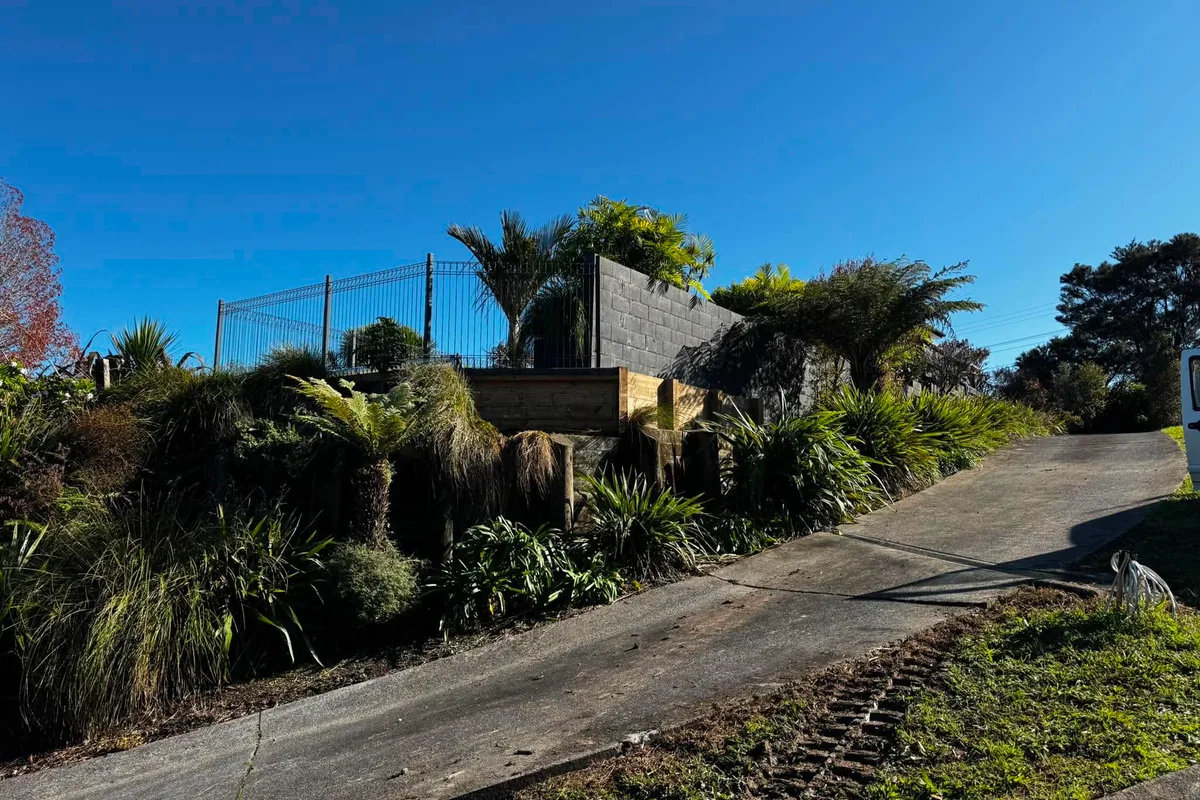
A surcharge load is anything heavy sitting above or behind the wall: a driveway where cars park, a building, a steep slope, a neighbouring section at a higher level, or another retaining wall above this one.
Surcharge loads increase the force the wall must resist. They change the engineering requirements, the footing design, and often the consent requirements too. A wall with a driveway above it is a fundamentally different structure to one with just a garden behind it.
Engineering and council consent
Walls over 1.5 metres, or walls at any height supporting surcharge loads, generally need building consent from Auckland Council. Consent requires an engineer’s design, which adds cost upfront but reduces risk over the life of the wall.
Engineering and consent are not where you want to cut corners. The cost of getting it right at the start is almost always less than the cost of fixing a wall that was built without proper design.
Removal and disposal
If there is an existing wall to remove, or spoil from excavation that cannot stay on site, disposal costs add to the total. Contaminated fill or demolition materials may need to go to a specific facility, which costs more than clean fill disposal.
Auckland Site Conditions That Can Change the Price
Auckland’s combination of clay soils, steep terrain, heavy rainfall, and tight residential access makes retaining wall construction more site-dependent here than in most New Zealand cities.
Clay soils holding water
Most of Auckland’s residential land sits on clay. Clay does not drain well on its own, so water builds up behind retaining walls and creates hydrostatic pressure. This is the single biggest reason walls fail in Auckland. It is also why proper drainage design is a non-negotiable part of the wall cost, not a line item you can delete to save money.
Sloped and hilly sections
Auckland is built on hills. Titirangi, the North Shore bays, parts of Henderson, the eastern suburbs, and the volcanic cones all have sections where retaining walls are doing real structural work. Steeper sites mean more retained earth, more complex access, and often more engineering.
Tight residential access
Many Auckland sections were subdivided decades ago with narrow driveways, shared access ways, or no vehicle access to the back of the property. Getting a 5-tonne digger and a truck to the wall location is straightforward on some sites and impossible on others.
When access is restricted, the job takes longer and costs more. This is a site reality, not a contractor markup.
Existing structures nearby
Walls built near fences, driveways, buildings, or other retaining walls have constraints that affect how the work is done. Boundary walls bring neighbour agreements and sometimes Fencing Act considerations. Walls near buildings may need specific engineering to protect existing foundations.
Wet ground and stormwater
Some Auckland sections have high water tables, springs, or stormwater issues that affect wall design. If water is already a problem on the site, the wall needs to account for that. Ignoring it during pricing leads to problems after construction.
Council and consent considerations
Auckland Council’s consent requirements for retaining walls are based on height, surcharge loads, overlays, and zone rules. The cost of consent itself (application fees, engineering design, inspections) is a known line item that should be in the quote if it applies.
What can catch people out is discovering mid-project that consent was needed and was not allowed for. Retrofitting consent after construction is significantly more expensive and disruptive than including it from the start.
Timber vs Keystone vs Engineered Retaining Walls
The material choice affects cost, but it also affects lifespan, appearance, and suitability for the site conditions.
Timber retaining walls
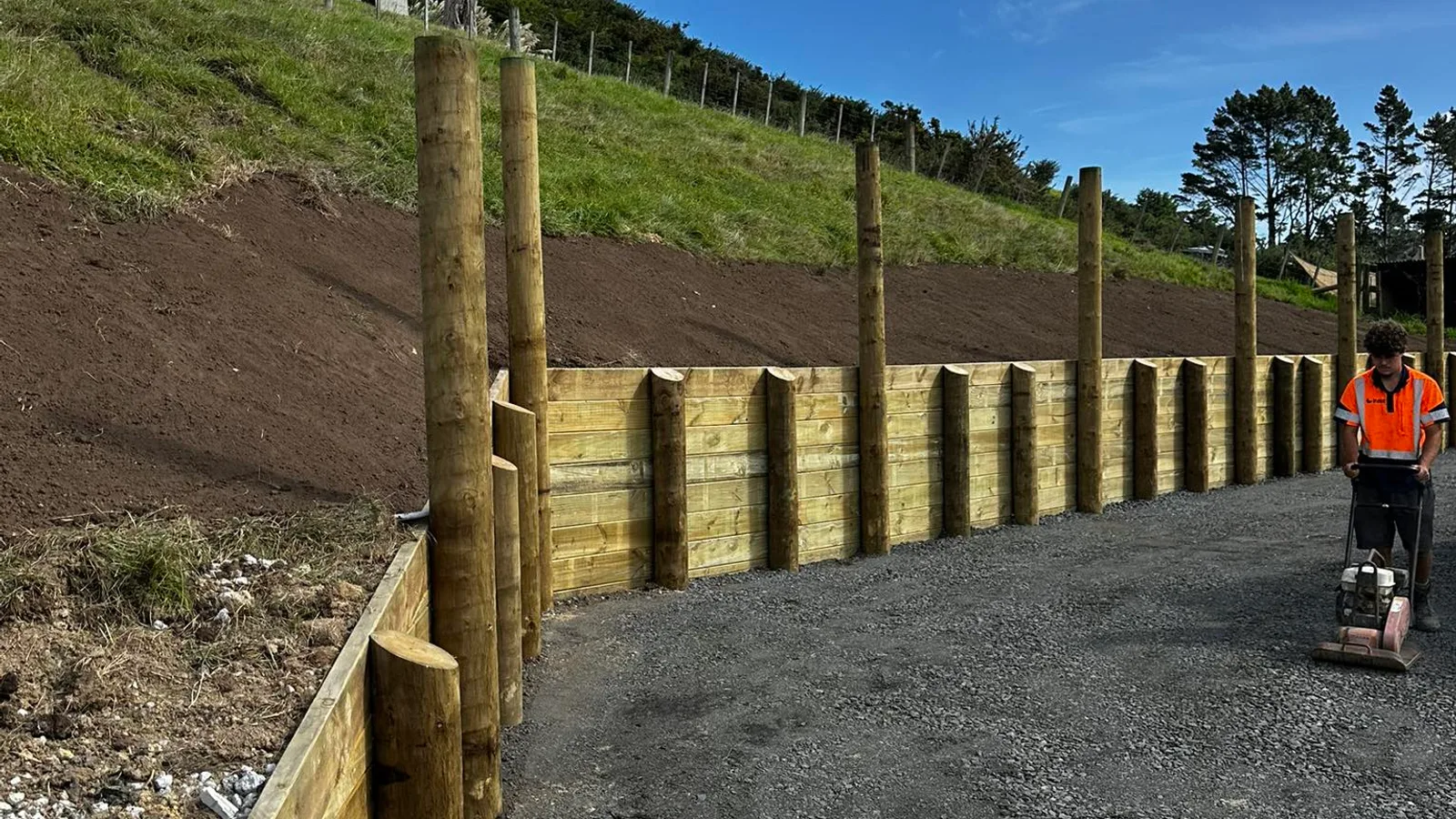
Timber walls are the most common residential retaining wall in Auckland. They suit many standard applications: garden walls, boundary walls, and moderate-height walls where the ground conditions allow it.
Timber is generally the most affordable material option, but the design still needs to suit the site. Post spacing, rail sizing, and drainage behind the wall all affect how long it lasts and how well it performs.
Keystone and block retaining walls
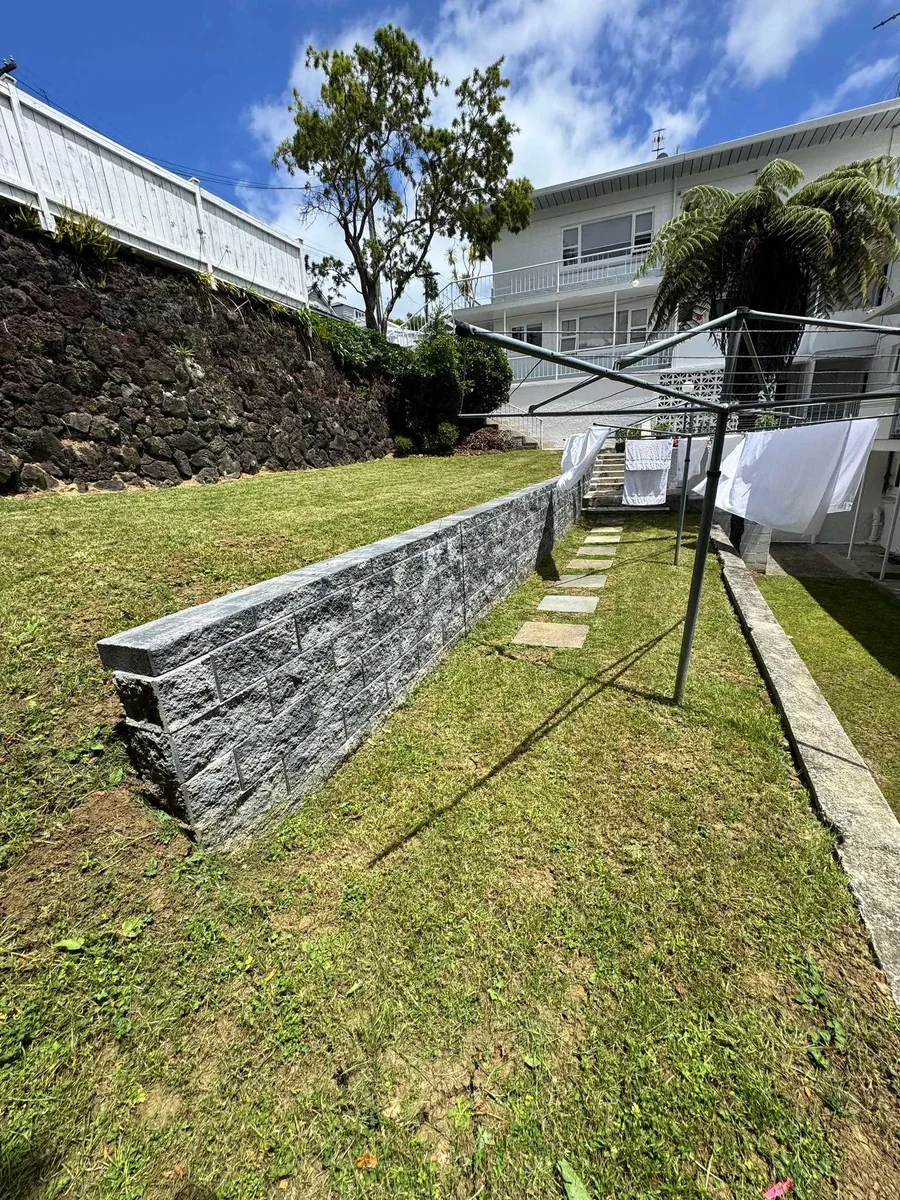
Keystone block systems are a modular option that suits walls where appearance matters, where the wall is highly visible, or where a stronger system is needed. They are often used for front-of-house walls, boundary walls on prominent streets, and walls that need to handle moderate loads.
Block systems typically cost more than timber for the same wall dimensions, but they have a longer expected lifespan and lower maintenance requirements.
Engineered systems
For taller walls, walls supporting significant loads, or walls on difficult sites, an engineered concrete or steel system may be the most practical option. These walls are designed from scratch for the specific site conditions and are built to handle loads that standard timber or block walls cannot.
Engineered systems cost more, but on the sites where they are needed, they are not optional.
How to decide
The right wall type depends on the site, the load, the height, how long you need it to last, what it looks like, and the budget. A retaining wall contractor who has seen the site can explain which options suit the conditions and what the cost difference looks like in practice.
Why Drainage Is Not Optional
Drainage behind a retaining wall is not a feature or an upgrade. It is a structural requirement.
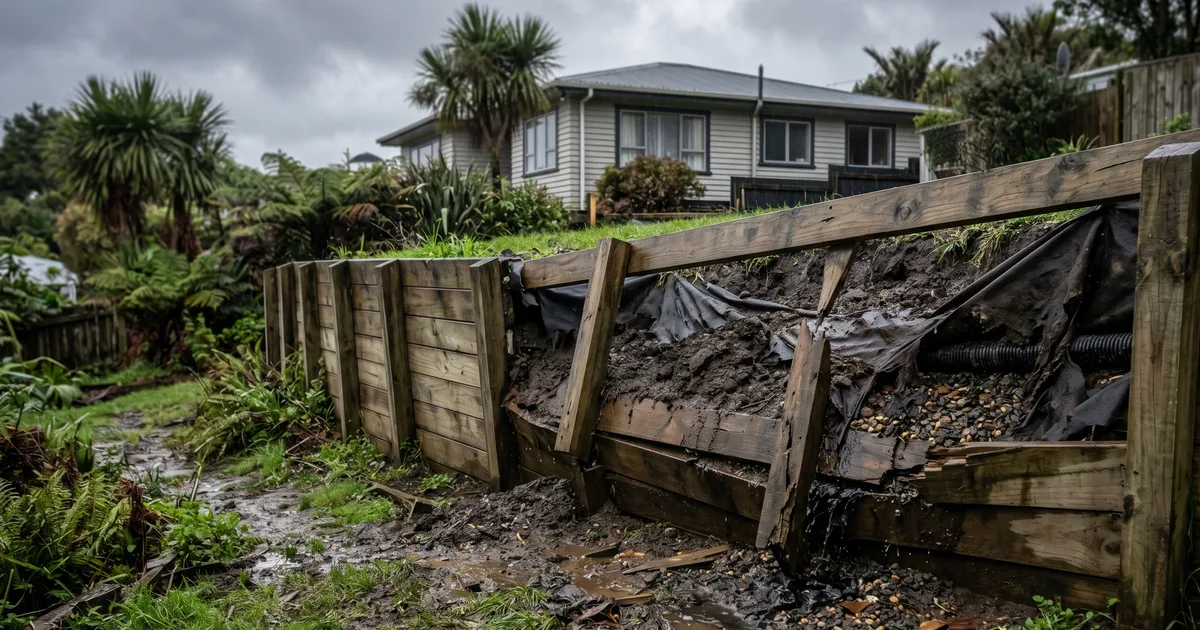
When it rains, water soaks into the ground behind the wall. On well-drained sandy or volcanic soils, that water moves through the ground relatively quickly. On Auckland clay, it does not. The water sits behind the wall and builds up hydrostatic pressure, pushing against the back of the wall with increasing force.
This is the most common cause of retaining wall failure in Auckland. The wall was built strong enough for the weight of the soil, but nobody accounted for the weight of the water trapped in that soil.
Proper retaining wall drainage typically involves drainage aggregate (scoria or similar) behind the wall, filter cloth to stop soil migrating into the drainage layer, and subsoil drains or weep holes to give the water somewhere to go.
If the wall is on a clay site (which most Auckland walls are), the drainage design is as important as the wall design. Leaving it out saves money during construction and costs significantly more when the wall fails.
Any quote for a retaining wall in Auckland should include drainage. If it does not, ask why.
When Consent or Engineering Affects the Cost
Auckland retaining walls may need building consent when the wall is over 1.5 metres high, or when it supports a surcharge load at any height. The rules depend on site specifics, and there are situations where even shorter walls need consent.
We have covered the consent decision in detail in a separate article. The key point for pricing: if your wall needs consent, the cost of engineering design, the consent application, and inspections should be in the quote from the start.
Engineering and consent add cost upfront. But they also mean the wall is designed for the actual loads it will carry, built to a documented standard, and signed off by council. That documentation matters at insurance time and at sale time.
Cutting engineering to save on the initial quote is one of the most common ways retaining wall projects end up costing more in the long run.
Get a Retaining Wall Quote in Auckland
If you are considering a retaining wall, the best next step is getting the site assessed before committing to a price.
When you get in touch, it helps to have:
- The location (address or area)
- A few photos of the site, including the slope, the area where the wall would go, and the access route
- Rough wall dimensions if you have an idea (height and length)
- What is above the wall (garden, driveway, building, slope, neighbour’s section)
- Any existing wall that needs removing or replacing
Blake Civil will assess the site, talk through the options, and quote for the job properly, including drainage, earthworks, and consent coordination if needed.
Call 0508 4 BLAKE or get in touch through the contact form to book a site assessment.