A lawn that stays soggy for days after rain, a section that turns to mud every winter, or water sitting against the house is one of the more frustrating problems an Auckland property owner can have. It limits how you can use the space, it can damage planting and structures, and over time it can affect foundations and retaining walls.
Subsoil drainage is often the answer people land on after a quick search, and on the right site it works well. But it is not a fix-everything solution. Whether it actually solves your problem depends on where the water is coming from, how the ground drains, and whether there is somewhere suitable to send the water. Get that wrong and you can spend money on drains that barely change anything.
This article explains what subsoil drainage does in plain terms, the signs your section may need better drainage, when subsoil drainage is enough, and when the problem points to stormwater work instead.
Quick Answer: What Does Subsoil Drainage Do?
Subsoil drainage removes water from saturated ground. Instead of dealing with water running across the surface, it deals with water held within the soil itself, the water that keeps the ground spongy and wet long after the rain has stopped.
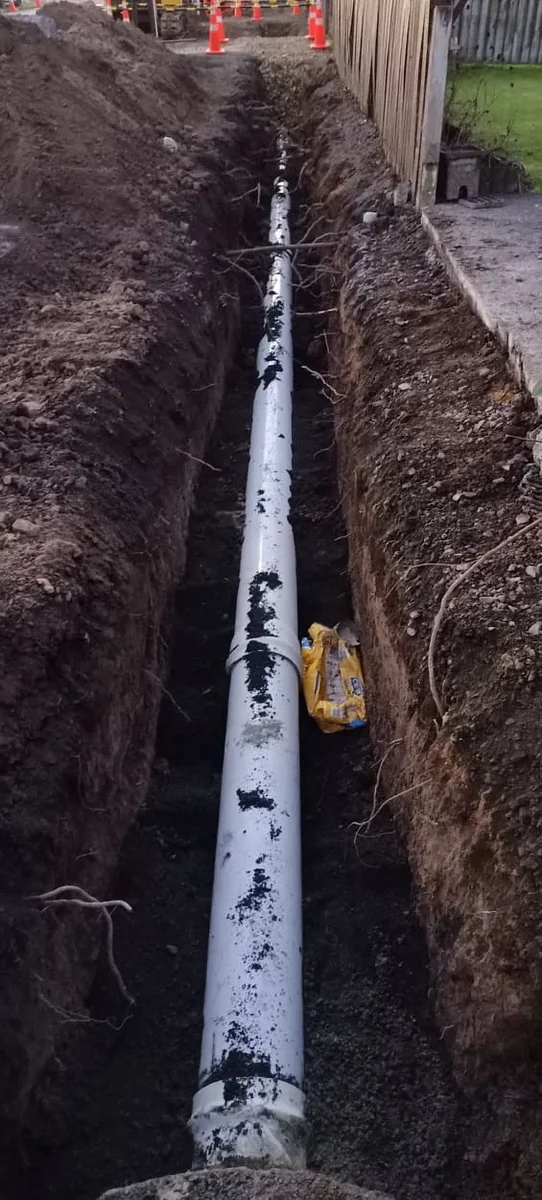
It works by giving that trapped water an easier path to travel. A buried perforated pipe sits in a trench surrounded by free-draining material, water in the surrounding soil seeps into the pipe, and the pipe carries it away to an appropriate outlet. On a slow-draining site, this can lower the amount of water sitting in the ground and dry out areas that used to stay boggy.
That is the principle. The reason it is not a universal fix is that it only helps when the problem really is water held in the soil, and when there is a legal and practical place to discharge that water. Designing the actual system is a job for someone who has assessed the site, not something to copy from a generic guide.
Signs Your Section May Need Better Drainage
You do not need to be a drainage expert to spot the warning signs. The common ones include:
- Boggy lawns that squelch underfoot well after the rain has stopped
- Wet patches that stay damp for days while the rest of the section dries out
- Water sitting near the foundations of the house, garage, or other structures
- Muddy, slippery access where paths, driveways, or gateways stay greasy
- Pressure or seepage at a retaining wall, where water builds up behind the structure
- Runoff problems where driveways or landscaping send water into areas that cannot cope with it
One of these on its own does not automatically mean you need subsoil drainage. Water near a foundation might be a stormwater issue. A wet patch might be a single low spot that needs regrading. Seepage at a wall might be a failed drain behind the structure rather than a section-wide problem. The signs tell you something is wrong with how water moves on the site. Working out the right fix is the next step, not a foregone conclusion.
How Subsoil Drains Work
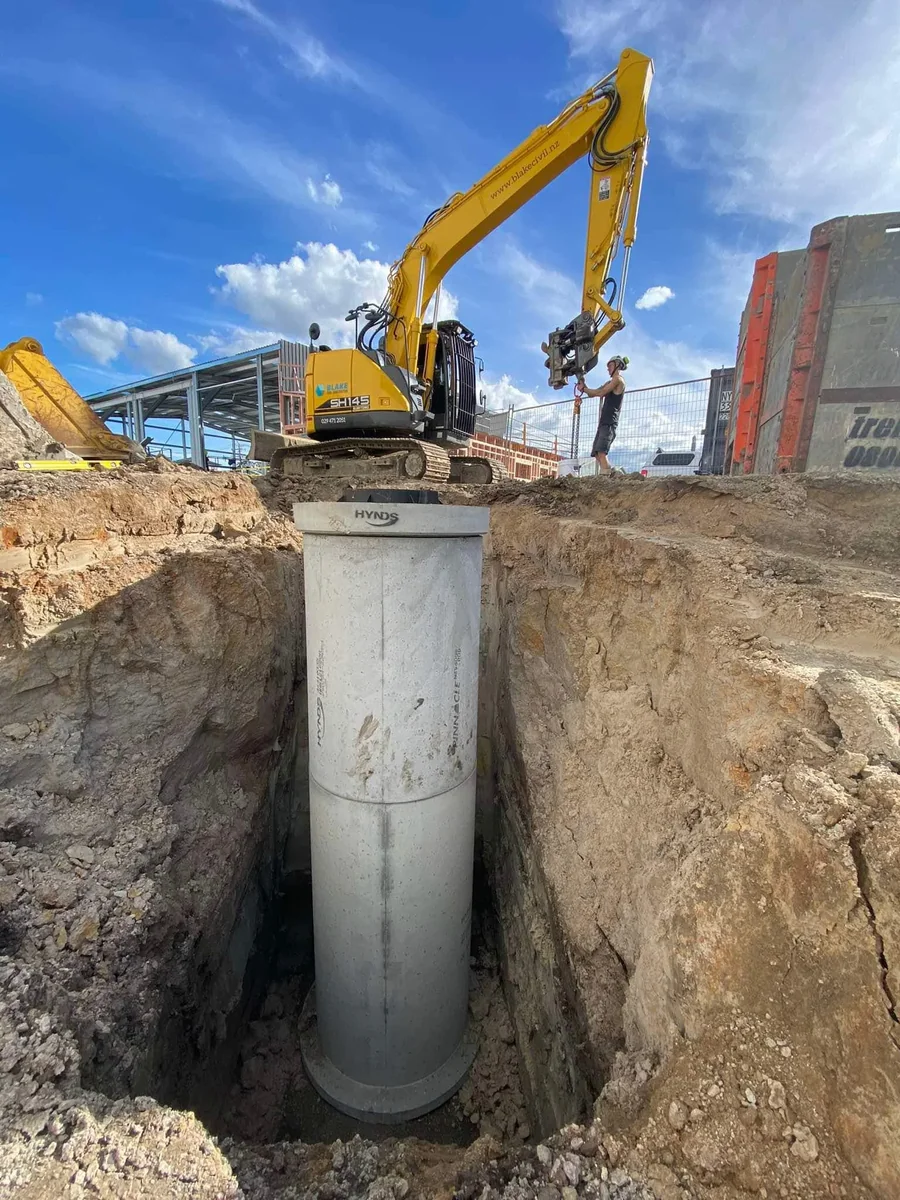
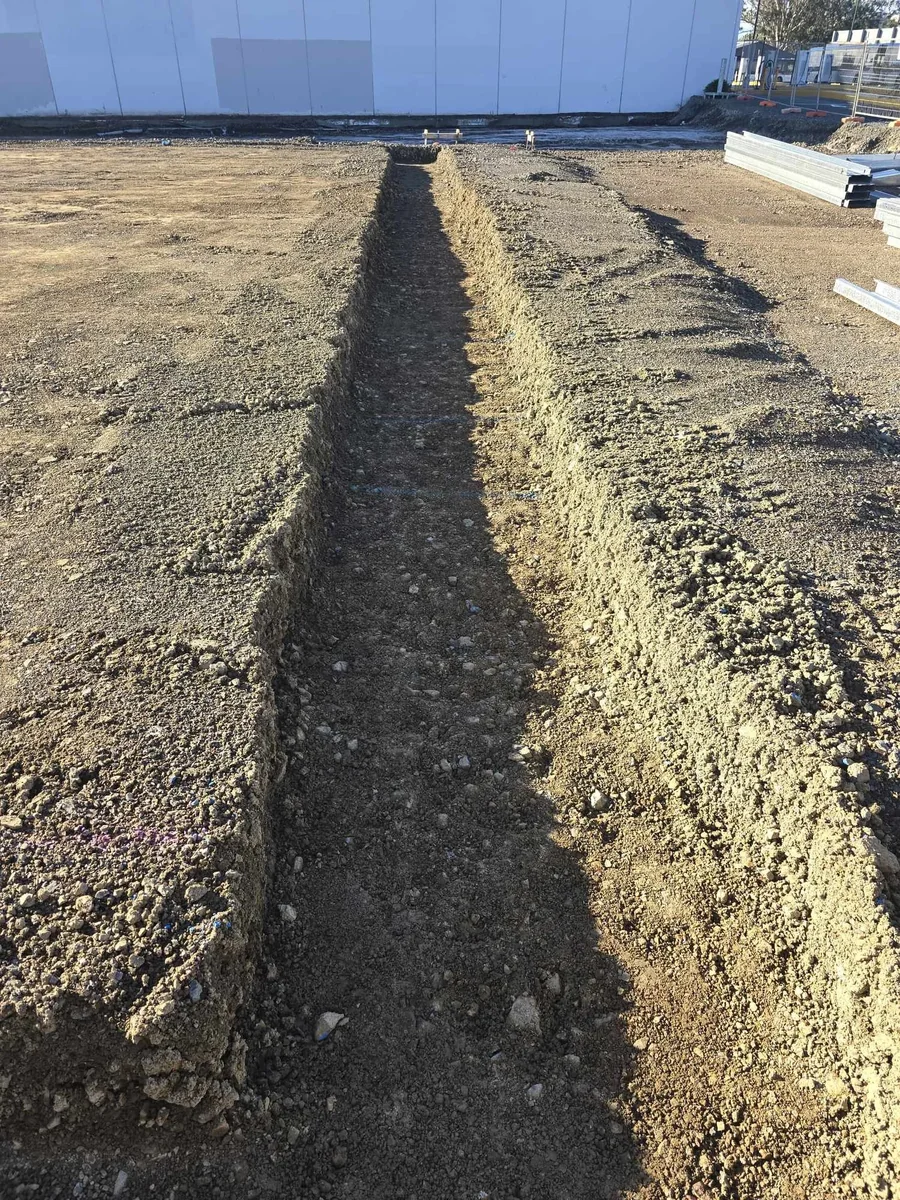
At a high level, a subsoil drain is simple. A trench is dug along the area that needs draining, set at a fall so water flows in one direction. A perforated pipe runs along the bottom of the trench, and the trench is backfilled with drainage metal or scoria so water can move freely through it. A filter cloth, or geotextile, wraps the drainage material to stop fine soil from washing in and clogging the system over time. The pipe then runs to an outlet where the collected water can discharge safely.
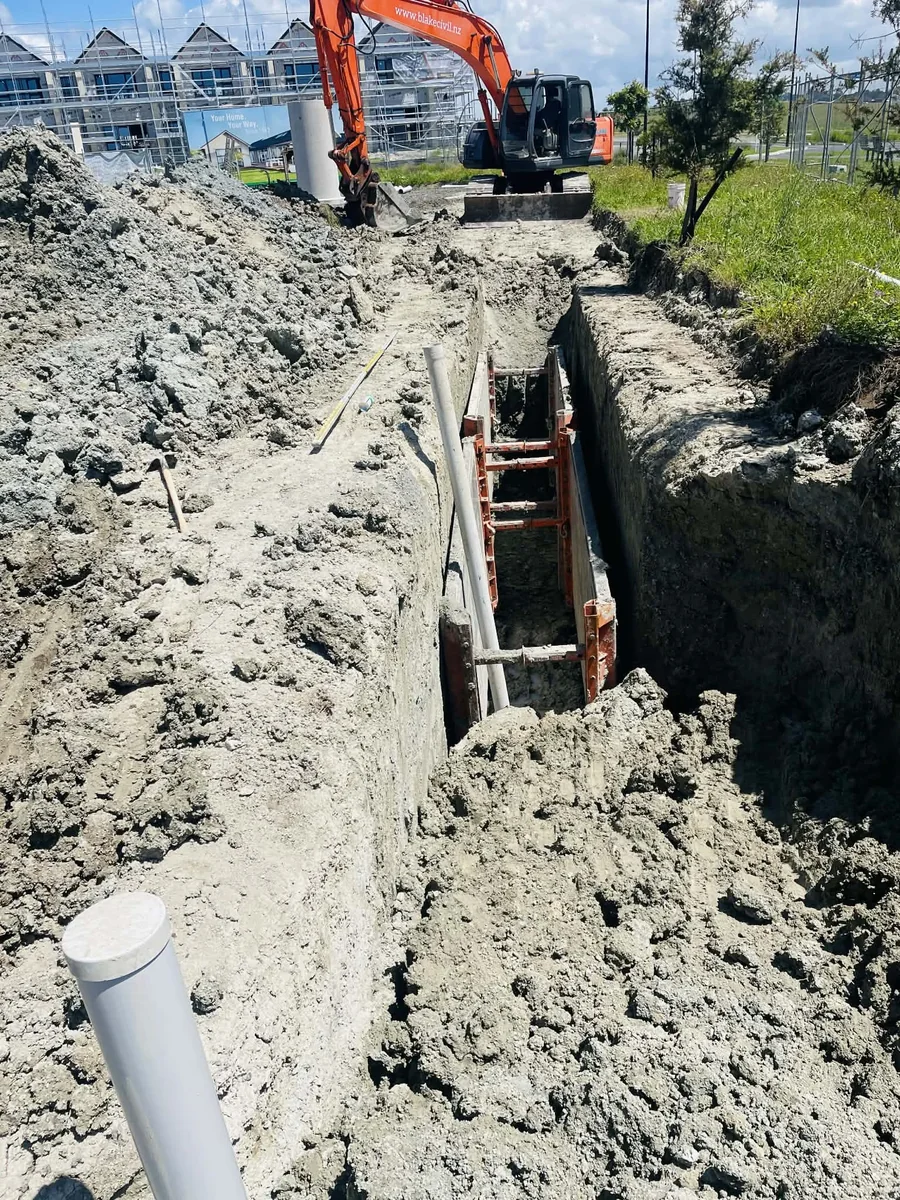
The detail is where it gets site-specific. The depth and spacing of the drains, the fall needed, the type of pipe and aggregate, and the outlet all depend on the ground conditions and what the system is trying to achieve. Get the fall wrong and water sits in the pipe. Skip the filter cloth on a silty site and the drain blocks up within a few years. Send the water to an outlet that cannot take it and you have just moved the problem. This is why drainage installation is worth getting right the first time rather than treating as a weekend dig.
When Subsoil Drainage Is Enough
Subsoil drainage tends to be the right answer when the problem is genuinely water held in the ground, and when that water has somewhere suitable to go. Common situations where it works well include:
- Localised wet areas where one part of the section stays saturated while the rest is fine
- Slow-draining clay sections where rainwater soaks in but then has nowhere to escape
- Retaining wall pressure where water building up behind a wall can be collected and discharged properly
- Garden and lawn areas that need to dry out enough to be usable and planted
Even on these sites, the system only works if there is a legal and practical outlet for the water and if the design suits the ground. That is the part you cannot assume from the kerb. A properly designed subsoil drainage system on a suitable site can make a real difference. The same system installed without checking where the water goes can be a waste of money.
If water building up behind a retaining wall is the issue, that is often a drainage problem rather than a wall problem. We have covered how trapped water puts pressure on walls in our guide to retaining wall repair, and in some cases restoring the drainage behind the wall is a smaller fix than rebuilding it.
When You May Need Stormwater Work Instead
Subsoil drainage deals with water in the ground. A lot of wet-section problems are actually surface water problems, and those need stormwater work, not subsoil drains. Signs that the issue points toward stormwater rather than subsoil drainage include:
- Roof and downpipe runoff that is not being carried away and is flooding part of the section
- Driveway and paved-area runoff sending large volumes of surface water across the ground
- No legal or practical outlet for collected water, which limits what any drainage system can do
- Large surface water problems where water sheets across the section during heavy rain
- New builds and renovations where the whole site’s drainage needs designing from the ground up
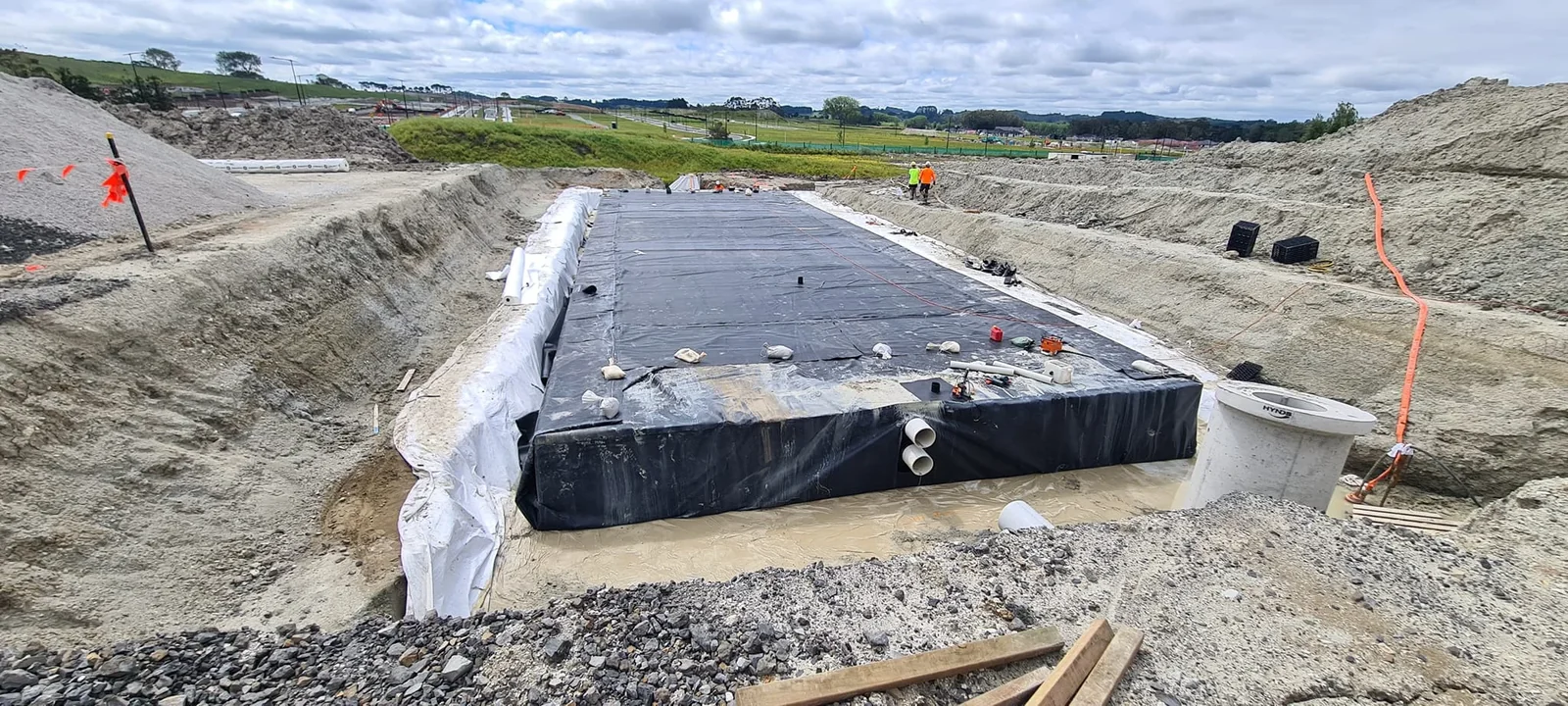
In these cases, the right answer might be stormwater management such as catchpits, channel drains, soak pits, or a connection to the stormwater network, sometimes combined with regrading to move surface water where it should go. There can also be council and stormwater management requirements that apply to the site, which is one more reason to get the situation assessed rather than guess. On plenty of sections the practical answer is a combination: some subsoil drainage to deal with saturated ground, plus stormwater work to handle surface flow.
Auckland Clay and Why Wet Sections Are So Common Here
A lot of Auckland sits on Waitemata clay, and clay is the main reason wet sections are such a common complaint across the region. Clay holds water. Rain soaks into it slowly, and once it is in there, it drains out slowly too. On a free-draining sandy or volcanic soil, water moves through the ground and away. On clay, it lingers, which is why a section can stay boggy for days after the rain has stopped.
Slope and compaction make it worse. A flat or low-lying section gives water nowhere to run, so it pools and soaks in. Ground that has been compacted by machinery, vehicles, or years of foot traffic drains even more slowly than undisturbed clay. Cut-and-fill sections from past earthworks can also trap water at the boundary between different soil layers.
The same clay also affects retaining walls and foundations. Water trapped behind a wall builds up pressure that can stress the structure over time. Water sitting against foundations is not something to leave alone either. Managing water properly on a clay site is not an optional extra, it is part of building and maintaining anything on the ground.
The important point is that clay makes drainage harder, but it does not mean every clay section needs the same fix. Two boggy sections a street apart can need quite different solutions depending on slope, where the water is coming from, and what outlets are available.
Get the Ground Assessed Before Installing Random Drains
The most common drainage mistake is installing drains based on a guess about where the water is coming from. A trench dug in the wrong spot, set at the wrong fall, or running to an outlet that cannot take the water often makes very little difference. Money gets spent, the section stays wet, and the real cause is still there.
The better approach is to work out where the water is coming from before deciding what to install. That means looking at the soil, the slope, how surface water moves across the site, where stormwater is going, and what outlets are actually available. Only then is it possible to say whether subsoil drainage, stormwater work, regrading, retaining wall drainage, or a combination is the right answer for your section.
Blake Civil works as a civil and drainage contractor across Auckland, diagnosing wet-ground problems and recommending the fix that suits the site rather than a one-size-fits-all drain. You can read more about how we approach residential and site drainage on our Auckland drainage contractors page.
When you get in touch, it helps to have:
- A few photos of the wet area, ideally taken after rain
- The location, address or suburb
- Where the water sits and how long it stays
- Notes on the slope and access to the affected area
- Details of any existing drainage, downpipes, or retaining walls nearby
Call 0508 4 BLAKE or get in touch through the contact form to book a site drainage assessment.